Pigmentation and dark spots are among the most common skin concerns we see at Yazz — and it's no surprise. Tamil Nadu's intense sun, high humidity, and heat create the perfect conditions for uneven skin tone, sun damage, and stubborn dark patches.
If you've tried home remedies and basic facials without seeing results, you're not alone. The truth is: most pigmentation runs deeper than the surface, and it needs targeted professional treatment to genuinely fade. This guide breaks down what causes pigmentation, which treatments actually work, and what you can realistically expect.
Why Is Pigmentation So Common in Tamil Nadu?
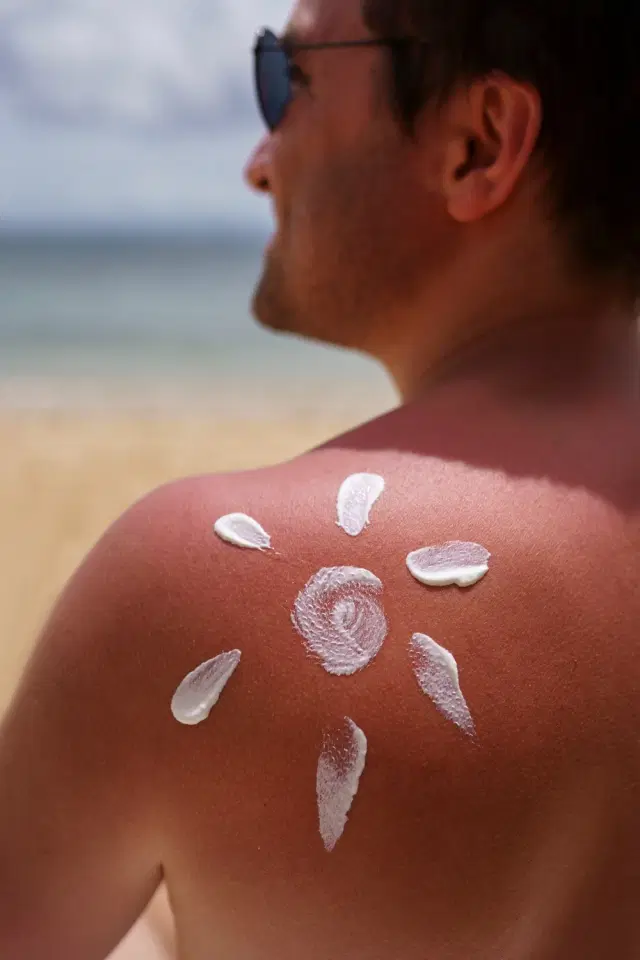
Melanin — the pigment that gives skin its colour — is produced as a defense mechanism against UV radiation. In Tamil Nadu, where UV index levels are among the highest in India year-round, your skin is constantly stimulated to produce more melanin. Over time, this leads to:
- Sunspots and tanning — direct UV exposure darkening the skin evenly or in patches
- Post-inflammatory hyperpigmentation (PIH) — dark marks left behind after acne, rashes, or any skin inflammation
- Melasma — deeper, hormonal pigmentation often appearing on the cheeks, forehead, and upper lip
- Uneven skin tone — overall dullness and patchiness due to cumulative sun damage
The good news: all of these respond well to the right professional treatments. The key is matching the treatment to the type of pigmentation you have.
Treatment 1: Carbon Laser Peel
Best for: Sun damage, enlarged pores, uneven tone, superficial pigmentation
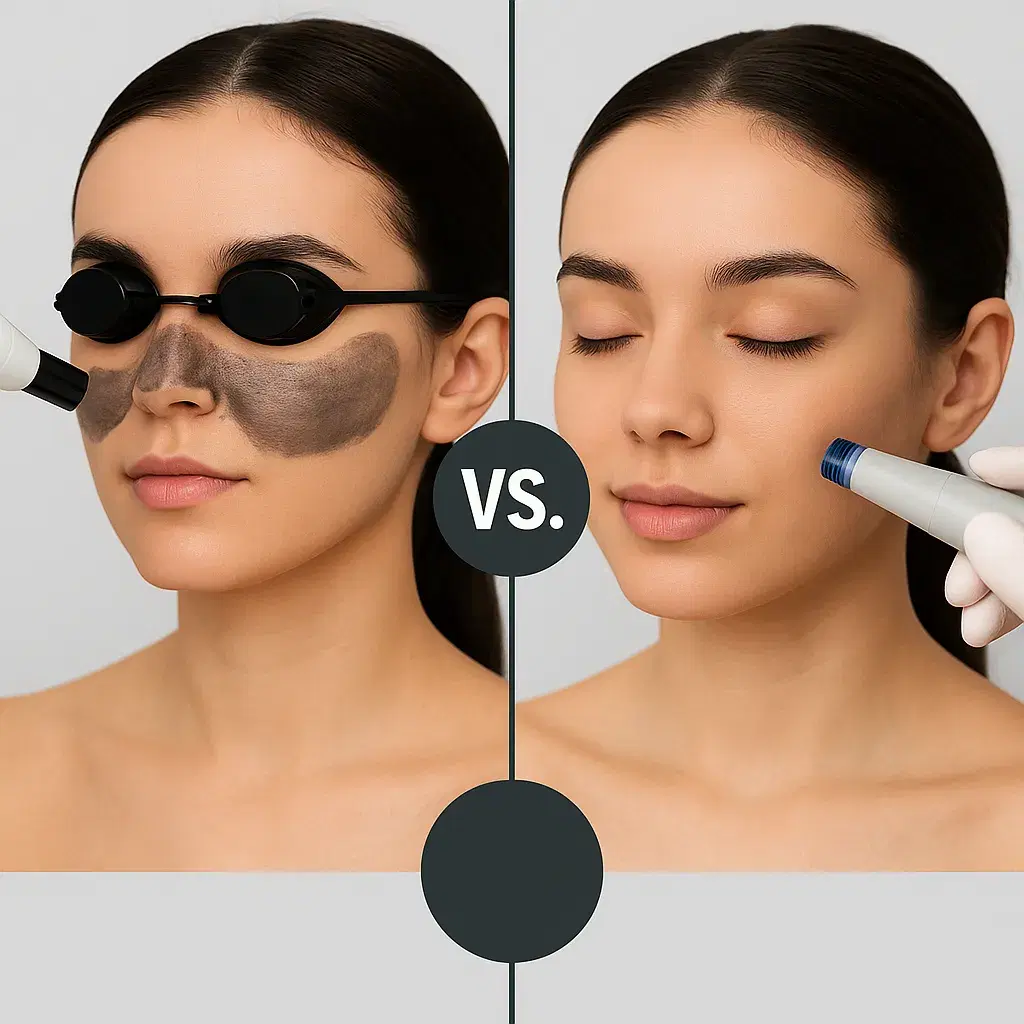
The Carbon Laser Peel (also called the Hollywood Peel) is one of our most requested treatments at Yazz for pigmentation. A thin layer of medical-grade carbon is applied to the skin, then a Q-switched Nd:YAG laser passes over it. The laser energy is absorbed by the carbon, which effectively:
- Destroys the carbon along with the dead skin cells and debris in your pores
- Stimulates collagen production for skin tightening
- Targets and breaks up melanin deposits to fade dark spots
Results: Noticeable brightening after just 1 session. For significant pigmentation, 4–6 sessions spaced 3–4 weeks apart gives the best results. Zero downtime — you can return to your day immediately.
Treatment 2: HydraFacial with Brightening Boosters
Best for: Mild to moderate pigmentation, dull skin, post-acne dark marks
HydraFacial is a multi-step treatment that deep-cleanses, exfoliates, extracts, and infuses active serums into your skin simultaneously. When paired with brightening boosters (containing Vitamin C, kojic acid, or niacinamide), it becomes highly effective for pigmentation treatment.
Unlike harsher treatments, HydraFacial is gentle enough for sensitive skin and works beautifully on Indian skin tones. Results: Immediate glow after every session. Monthly sessions for 3–6 months are recommended for lasting pigmentation correction.
Treatment 3: Chemical Peels
Best for: Post-inflammatory hyperpigmentation, sun damage, early melasma
A chemical peel uses acids (glycolic, lactic, mandelic, or TCA depending on depth needed) to dissolve the outer layer of skin, encouraging fresh, evenly pigmented skin to emerge. Superficial peels have minimal downtime; medium-depth peels produce more dramatic results with 3–5 days of peeling.
Important: Peels on Indian skin require an experienced therapist. The risk of post-peel hyperpigmentation is higher for deeper skin tones if the wrong peel or concentration is used. At Yazz, our skin specialists always assess your Fitzpatrick skin type before recommending a peel.
Treatment 4: De-Tan Facials
Best for: Surface-level tanning, quick brightening refresh
For tan reversal from sun exposure on the face, neck, and arms, a professional de-tan facial uses brightening agents like kojic acid, arbutin, and licorice extract to break down melanin in the upper skin layers. Results are visible after a single session, though regular monthly sessions maintain results through the year.
What About Melasma — The Stubborn Deep Pigmentation?
Melasma is different from other pigmentation — it has a hormonal component (often triggered by pregnancy, birth control pills, or thyroid issues) and sits deeper in the dermis. It requires a more cautious, multi-modal approach:
- Low-intensity laser sessions (aggressive laser can worsen melasma)
- Brightening facials with niacinamide and azelaic acid serums
- Strict sun protection — SPF 50 every day, even indoors near windows
- Prescription-strength topical treatments alongside salon treatments
If you suspect melasma (patches that darken in summer and are symmetrical), our skin therapists at Yazz will refer you to a dermatologist for a combined salon + medical treatment plan.
The One Thing All These Treatments Have in Common
Sunscreen. No pigmentation treatment works long-term without daily SPF use. In Tamil Nadu's UV environment, we recommend:
- SPF 50+ broad-spectrum (PA+++) sunscreen every morning
- Reapplication every 2–3 hours if you're outdoors
- Physical barriers: dupatta, hat, sunglasses when out in peak sun hours (10am–4pm)
Skipping sunscreen after a brightening treatment is like filling up a bucket with a hole in it — you'll undo your results within weeks.
Which Treatment Is Right for You?
| Skin Concern | Recommended Treatment |
|---|---|
| Sun tan, overall dullness | De-tan facial, HydraFacial |
| Post-acne dark marks | HydraFacial with brightening booster, superficial chemical peel |
| Sunspots, uneven tone | Carbon Laser Peel, chemical peel |
| Deep or stubborn patches | Carbon Laser series, medium peel + dermatologist consultation |
| Melasma (hormonal) | Low-intensity laser + medical management + strict SPF |
Not sure which applies to you? Our skin specialists at Yazz offer a free skin analysis before recommending any treatment. We'll identify your pigmentation type and design a plan that's safe and effective for your skin tone.
Ready to Fade Those Dark Spots?
Book a skin consultation at Yazz — Karamadai & Coimbatore.